
Magnolia: Balancing strength and softness
A little exploration of magnolia – its symbolism, ancient history, edible petals and the magic that appears when we start paying attention to the natural world.


Last spring I noticed magnolias everywhere.
Pale pink and white blossoms seemed to appear almost overnight. Suddenly they were everywhere I went - in parks, in streets, in gardens, on TV, and on the internet. They stopped me in my tracks and I felt sure they hadn't been there before.
Of course they must have been. I had just never noticed them.
I felt strangely drawn to them. OK, I became a bit obsessed.
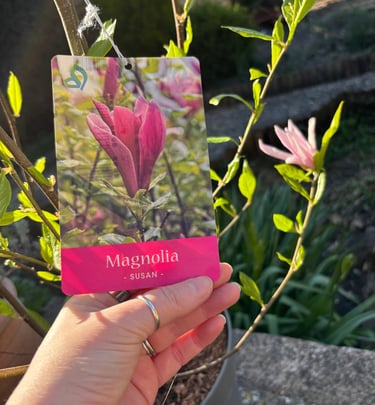
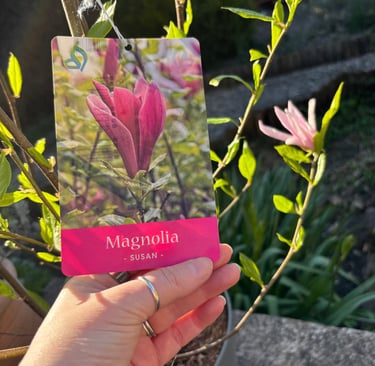
So I bought a small magnolia tree for the garden. There was just something about the balance of delicate beauty and resilient strength that came through for me.
Magnolia Stories & Symbolism
Magnolia is ancient.
There are fossils suggesting they have existed for over 95 million years, which is almost impossible to comprehend. They were around long before bees had even evolved to pollinate them.
Because of this long history, there's good reason to connect magnolia to ancient wisdom and knowledge.
Magnolia also carries symbolism in many cultures. In Chinese culture it represents feminine beauty, gentleness, strength and purity. In Japanese culture it is associated with natural elegance and quiet dignity.
For me, magnolia represents a balance of deep-rooted strength and resilience, but softened by its graceful and beautiful flowers, and its gentle, sweet scent.
I connect it to both Earth and Air elements - grounded and stable, yet subtle and quietly powerful.
Wait .. you can eat it?!
A few days ago a friend casually said something that surprised me:
“I want to try eating magnolia.”
I hadn't heard of this before and didn't even realise it was edible!
Then something funny happened.
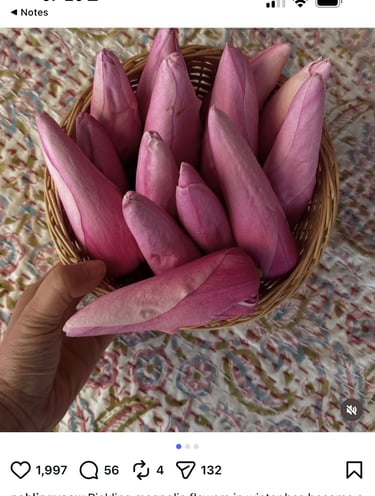
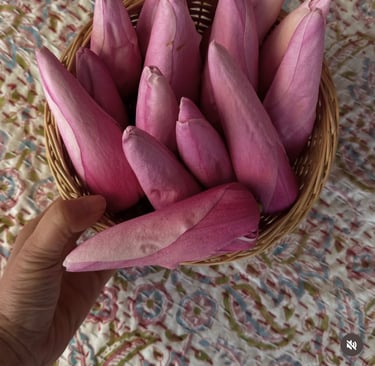
I opened Instagram and the very first thing I saw was a chef showing how she pickles magnolia petals and uses them in cooking.
Just another magnolia related moment of synchronicity for this year, before they have even started to bloom!
So yes, you can eat it and apparently the petals have a slightly spicy and aromatic flavour. Magnolia has also been used in Chinese Medicine for over 2000 years, particularly to support digestion, respiratory issues and anxiety, as well as for its anti-inflammatory properties.
I haven't tried eating it yet. Watch this space.
Paying Attention to the Plants Around Us
Magnolia is usually appreciated simply for its beauty.
But like many plants, it holds far more possibilities than we tend to realise.
I am now eagerly waiting for the first blooms on my little magnolia tree in a pot in my garden. But I'm also appreciating the lesson it brings: noticing the nature around us, being curious about it, and respecting the wisdom and gifts that plants have to offer.
Contact
lianne@lianneshakespeare.co.uk
Join the Grounded Rebellion
Occasional letters from me — reflections on nature, energy and everyday magic, tales and tips to inspire you to do things your own way, plus updates on new offerings and ways to work together.
Access privacy policy here.